

LASIK has become a trusted choice for improving vision and reducing the need for glasses or contact lenses. Before moving forward, your eye doctor will complete specialized testing to measure corneal thickness. This measurement matters because your cornea needs to be strong enough to support the reshaping that happens during treatment.
Most people never think about the thickness of their cornea until they begin learning about LASIK. Yet it is one of the first details your doctor evaluates. Understanding this information can make your consultation feel easier and help you know what to expect along the way.
What Is Corneal Thickness?
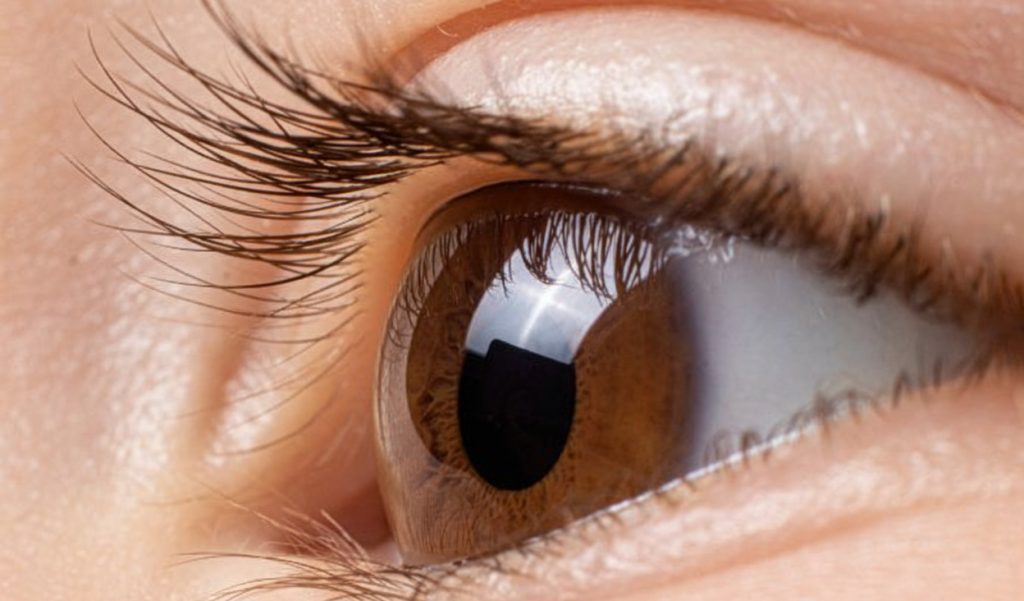
Your cornea is the clear, curved window at the front of your eye. It helps focus light so you can see clearly. Everyone’s cornea varies slightly in shape and thickness. Many healthy adults have a cornea around 540 to 550 microns thick. Some people naturally have a slightly thinner or thicker cornea, and both can still be healthy.
Corneal thickness is measured during a detailed eye exam. Your doctor uses advanced imaging to map the surface of your eye and determine the exact thickness at different points. This test is quick and painless.
Why Thickness Matters
During LASIK, a small amount of corneal tissue is reshaped. This gentle reshaping allows light to enter the eye in a more controlled way. Because of this, your cornea needs a certain thickness to remain stable. Enough tissue must remain untouched to keep your vision clear and your eye healthy long-term.
If your cornea is too thin, LASIK may not be the safest choice. Instead of pushing forward, your doctor may recommend another option that provides similar visual results without stressing the eye. This is not a setback. It is part of making the best decision for long-term eye comfort and clarity.
Typical Minimum Thickness for LASIK
Many eye specialists prefer a corneal thickness of at least 500 microns for LASIK. Some patients may still be eligible if they are slightly below this range, depending on other eye measurements. Instead of using a strict cutoff, your doctor will evaluate your full eye profile.
Thickness is just one factor. The exact amount of tissue required depends on your prescription strength and corneal shape. Smaller treatment needs use less tissue, and larger corrections use more. Your doctor’s goal is to leave a strong base layer of cornea behind after treatment.
What if Your Cornea Is Thin?
A thinner cornea does not automatically mean LASIK is off the table. Your doctor may look at additional scans and discuss options. If LASIK is not recommended, there are other advanced treatments designed for thinner corneas.
PRK is a common alternative. Instead of creating a flap, PRK reshapes the surface of the cornea. Because no flap is involved, more natural tissue remains in place. Healing takes a little longer than LASIK, but the vision results are strong and stable.
Another option may be implantable lens treatment, sometimes called ICL. This choice works by placing a small corrective lens in the eye, while the natural cornea remains untouched. Your doctor will discuss whether this route fits your vision needs.
The right approach depends on unique details about your eyes. The important point is that thin corneas still have multiple treatment paths.
How Your Doctor Checks Corneal Thickness
Modern vision correction begins with advanced testing. One test, called pachymetry, measures the thickness of your cornea. Another imaging tool creates a map that shows the shape and curvature of your eye. These tools help your doctor design a safe plan.
None of these tests is uncomfortable. You sit comfortably while the device gathers information in a few seconds. There are no drops or contact with the eye for most of these scans.
After reviewing your results, your doctor will explain whether LASIK is a good fit. If not, they will go over alternative options. The process is thorough but smooth.
Additional Factors Considered
Corneal thickness is one part of your evaluation, but your doctor will also look at:
- Your current glasses or contact lens strength
- The shape of your cornea
- Your tear film and eye hydration
- The overall health of your eyes
This full picture helps guide treatment. Thin corneas alone do not define eligibility. Some people with moderately thick corneas may still be recommended for other treatments based on these factors.
This is a thoughtful decision-making process, centered on protecting vision for the long term.
Why Some People Have Thin Corneas
Corneal thickness varies naturally. Some people are born with a thinner cornea, just like some people have a thinner build or a smaller shoe size. Contact lenses, dry eyes, or minor eye conditions may also play a role in how the cornea functions and feels, but thickness itself is generally a natural trait.
If your cornea is thinner than average, it does not mean your eyes are weak or unhealthy. Many people with thinner corneas have excellent vision and strong eye health. Your doctor will guide you through what your measurements mean, step by step.
What to Expect During Your LASIK Consultation
Your consultation will include a series of painless tests. These may include:
- Vision measurements
- Corneal mapping
- Corneal thickness scan
- Eye pressure testing
- A thorough evaluation by your doctor
After the exam, your doctor will review your results with you. They will explain whether LASIK fits your eye health or if another treatment makes more sense. You’ll have plenty of time to ask questions, discuss recovery times, and understand each option.
Making the Decision
Choosing a vision correction treatment is a personal decision guided by your doctor’s expertise. If your cornea is too thin for LASIK, it simply means your eyes deserve a different approach. The goal is always the same: clearer vision, healthy eyes, and confidence in your result.
Many people with thin corneas enjoy outstanding visual improvement from alternate treatments. What matters most is choosing the safest and most effective option for your eyes.
Living With Thin Corneas and Great Vision
Whether LASIK or another treatment becomes your plan, the outcome can still be transformative. Clear vision supports daily comfort, confidence, and independence. The process starts with understanding your measurements and choosing a safe approach. Your cornea thickness is one detail among many, and modern technology gives you options.
Vision care continues to advance, offering solutions that match a wide range of eye profiles. With expert guidance, patients with varying corneal thickness can still look forward to strong visual improvement.
Ready to take the next step toward a clearer vision? Schedule a consultation with SuraVision today to discuss your options and learn more about LASIK Surgery. Call us at 713-730-2020 or book your appointment online!