

Many people search for a simple answer when they notice changes in their vision. It’s common to hope that a vitamin, special food, eye exercise, or “natural” remedy might steady things. Cataracts feel slow and puzzling, so it makes sense that people look for something they can fix on their own.
You may have heard people say that certain vitamins stop cataracts or even clear them. It would be reassuring if it were true. But the science behind cataracts is very steady, and the treatment path is straightforward. Vitamins support general wellness, but they do not remove cataracts once they begin. Surgery is the only option that restores clarity.
This article walks you through why that is, what vitamins actually do, and why you should feel comfortable trusting the proven approach.
Why People Think Vitamins Could Clear Cataracts
When your vision feels dimmer or less crisp, it’s natural to think your eyes might need extra support. Online searches often bring up lists of nutrients that “help eye health,” which is true in a general sense. Vitamins do support the tissues in your eyes just as they support the rest of your body.
But the confusion begins when these general benefits are stretched into claims about reversing cataracts. The idea sounds hopeful: if your lens is getting cloudy, perhaps it just needs more nutrients to correct the change. However, cataracts are not caused by a simple deficiency. They form when proteins inside the lens change over time. This change is structural. That’s why vitamins cannot correct it.
What Exactly Is a Cataract?
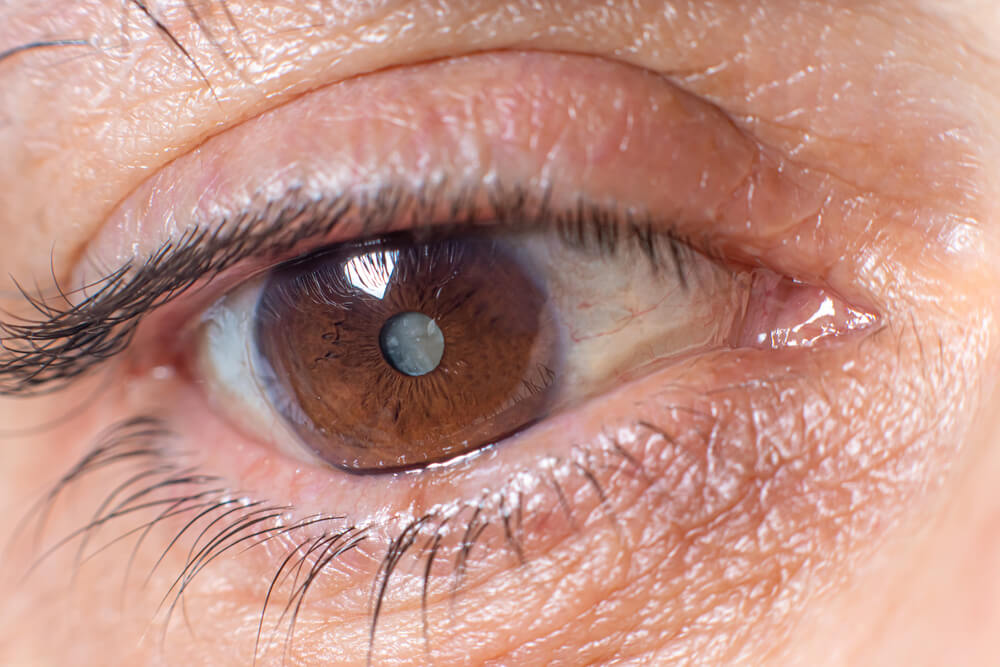
A cataract is a clouding of the natural lens inside your eye. That lens sits behind the colored part of your eye and helps focus light. Over time, its proteins thicken and lose their clear arrangement. The lens then becomes hazy. That haze interrupts the passage of light to the retina, and vision becomes blurry, dim, or less sharp.
Every person who lives long enough will deal with cataracts eventually. It is a normal part of aging, although some people develop them sooner because of family history, lifestyle, or health conditions.
Once the lens becomes hazy, it cannot “go back” to how it used to be. This isn’t because of anything you did wrong. It’s simply the way the lens changes with age.
Is There a Vitamin Deficiency Behind Cataracts?
No. Cataracts do not form because your body lacks a particular vitamin. They are not tied to a missing nutrient the way scurvy is tied to vitamin C or anemia can be tied to low iron.
Research shows that certain vitamins may support overall eye wellness, but none can stop or reverse cataract formation. Scientists have not identified a shortage that triggers cataracts. This is why you won’t find a confirmed supplement plan that repairs the lens once it has clouded.
Maintaining balanced nutrition is good for your eyes, but vitamins cannot change the structure of a lens that has already shifted.
What Vitamins Actually Do (And Don’t Do)
Nutrients such as vitamins C, E, and A promote general eye function. They support the surface of the eye, the retina, and the tissues that help protect against oxidation. Eating foods rich in antioxidants is good for long-term wellness.
But these vitamins do not enter the lens in a way that changes its cloudy structure. Think of the lens as a clear part of your eye that relies on stable protein alignment. Once that alignment changes, vitamins cannot “rearrange” it. Supplements may help you maintain your health, but they do not correct cataracts.
This is why relying on vitamins as a fix can delay real treatment, especially when vision starts to interfere with daily tasks.
Why Cataract Drops Don’t Work
You may see advertisements for drops claiming to “break up cataracts,” “dissolve cataracts,” or “restore lens clarity.” These claims are not supported by clinical evidence. No prescription or over-the-counter drops are proven to clear a cloudy lens.
Some drops help with dry eye or irritation. Others help with pressure control in conditions like glaucoma. But there are no drops that reverse or slow cataracts.
Using these products won’t harm the cataract, but they won’t help either. The concern is that people may postpone care because they hope the drops will work. Early guidance from your doctor is always the better approach.
Why Eye Exercises Don’t Work
Eye exercises can help with coordination or focusing flexibility in certain situations. But they do not affect the lens. They cannot change the cloudiness caused by cataracts.
Exercises may make your eyes feel more relaxed or help with visual comfort during reading or screen use. But these routines do not influence the structural change inside the lens.
When exercises are marketed as a treatment, it can give people the impression that cataracts behave like muscle problems. They do not. Cataracts are a lens issue, not a muscle issue.
The Only Proven Treatment: Replacing the Cloudy Lens
Because cataracts involve a physical change in the lens, the only way to restore clarity is to replace the lens with a clear one. Cataract surgery does precisely that. It removes the cloudy lens and places a new, artificial lens in its position.
This procedure has a long safety record. It is one of the most common surgeries in the United States. Patients are usually surprised by how straightforward the process feels. The goal is simple: remove the clouded lens and put a clear one in its place.
Once the new lens is in, the blur caused by the cataract is gone. There is no need for drops or vitamins to “assist” the new lens. It stays clear.
Why This Treatment Approach Is So Consistent
Cataract surgery remains the standard because it directly solves the problem. It treats the cloudy lens head-on instead of working around it. Vitamins cannot change the old lens. Drops cannot make it clear. Exercises cannot realign it.
Surgery removes the hazy lens entirely. That’s why it is so effective. And because cataracts steadily progress, most people eventually choose this option when the symptoms begin to affect daily comfort.
Common Myths You May Have Heard
“If I eat better, my cataracts will fade.”
Healthy habits are always worthwhile, but cataracts do not shrink in response to diet changes.
“If I wait long enough, they might get better on their own.”
Cataracts do not improve. They move in one direction: gradual progression.
“Only severe cataracts need treatment.”
You can have surgery whenever symptoms disrupt your day. You do not need to wait for the cataract to reach a certain stage unless your doctor advises otherwise.
“If I start supplements early, I can avoid surgery.”
Supplements may help your overall wellness, but do not prevent cataracts or slow the lens from changing with age.
What You Can Do While You’re Deciding
If you have cataracts but are not ready for surgery yet, there are still helpful steps you can take. They won’t reverse the cataract, but they may make daily tasks feel easier for a period of time.
- Update your glasses prescription if needed.
- Use brighter lighting in reading areas.
- Wear sunglasses outdoors to reduce glare.
- Reduce night driving if glare becomes uncomfortable.
These measures can help you through the early stages. But they are temporary. The lens will continue to change, and your vision will continue to dim or blur over time.
Why You Should Feel Confident Asking About Surgery
Having a conversation with your eye doctor is the most reliable step. They can explain what stage your cataract is in and answer your questions about timing. Cataract surgery is personalized. You can choose from different lens options based on your vision goals.
Many people feel nervous before the appointment because they fear the unknown. But most feel calm once they understand the process. The goal of surgery is to give you back the clarity you have been missing.
There is no pressure to rush. You simply need accurate guidance.
What to Expect If You Decide It’s Time
Your doctor will walk you through each step. The process is outpatient, and you go home the same day. You receive medication to help you relax and to numb your eye. You won’t feel pain. The cloudy lens is removed, and a clear lens is placed.
You’ll have follow-up care to check your healing. Most people return to normal routines quickly. Many patients say the improvement in clarity feels refreshing and steady.
Moving Forward With Confidence
If you came here wondering which vitamin deficiency causes cataracts, you now know the answer: none. Cataracts develop as a natural part of aging, and vitamins cannot reverse them. There are no drops or exercises that clear the lens. The proven path is simple and reassuring: replace the cloudy lens with a clear one.
If you’re beginning to notice changes or you’re unsure what stage your cataracts are in, a straightforward appointment can give you clarity about your next steps.
Ready to take the next step toward a clearer vision? Schedule a consultation with SuraVision today to discuss your options and learn more about Cataract Surgery. Call us at 713-730-2020 or book your appointment online!